Design systems as a foundation for success
How to build scalable and reusable design systems for web development.
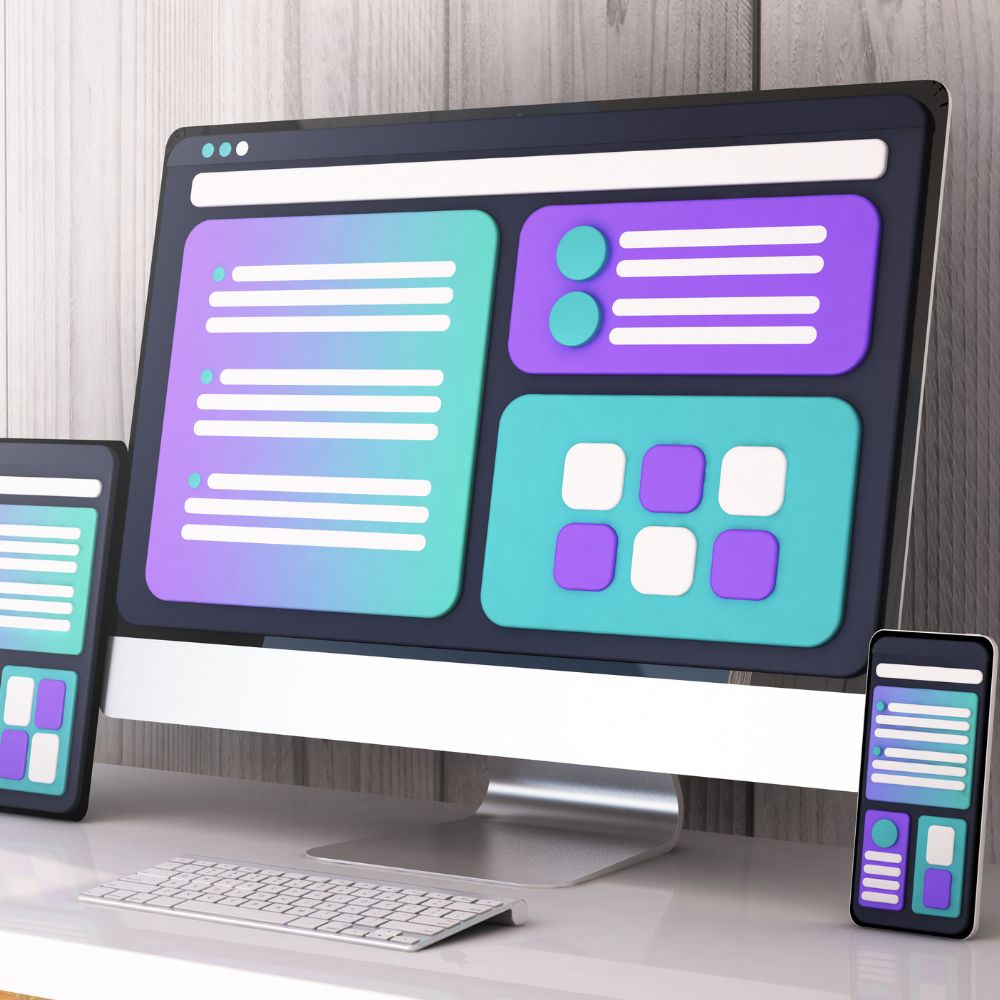
A design system is not a component gallery. It is a shared way for designers and developers to make consistent product decisions. The useful parts are the ones teams can understand, reuse, and change without breaking every page around them.
Begin with repeated decisions
Do not start by cataloging every possible component. Look for decisions the product already repeats: type scales, spacing, color roles, form behavior, buttons, and page structure. Standardizing these areas removes avoidable debate and makes inconsistencies visible.
The smallest useful foundation usually contains:
- Design tokens for color, typography, spacing, and shape.
- Accessible base elements such as links, buttons, and form controls.
- A few frequently reused components.
- Written guidance explaining when each pattern should be used.
Build components around behavior
A reusable component needs a stable purpose, not a long list of visual options. A button can support a few meaningful priorities and sizes. It does not need a prop for every CSS property.
Keep product-specific behavior outside the shared layer until it repeats. This makes the system easier to learn and prevents one unusual screen from turning a simple component into a configuration framework.
Treat accessibility as part of the contract
Keyboard behavior, focus visibility, labels, contrast, and error states should live in the shared implementation. Fixing them once protects every page that reuses the component.
Documentation should show these behaviors, not only the component’s appearance.
Measure adoption, not inventory
A large library is not evidence of success. A healthy system reduces duplicated decisions, makes delivery faster, and produces fewer inconsistencies. Remove components nobody uses. Improve the patterns that teams repeatedly work around.
Final thought
The best design system is intentionally small. It gives teams a dependable foundation while leaving room for the product to solve new problems without fighting its own tools.
Subscribe to my newsletter for updates and tips on my latest projects and products.
Crafting timeless design through clarity, precision, and collaboration.
We won't spam you on weekdays, only on weekends.